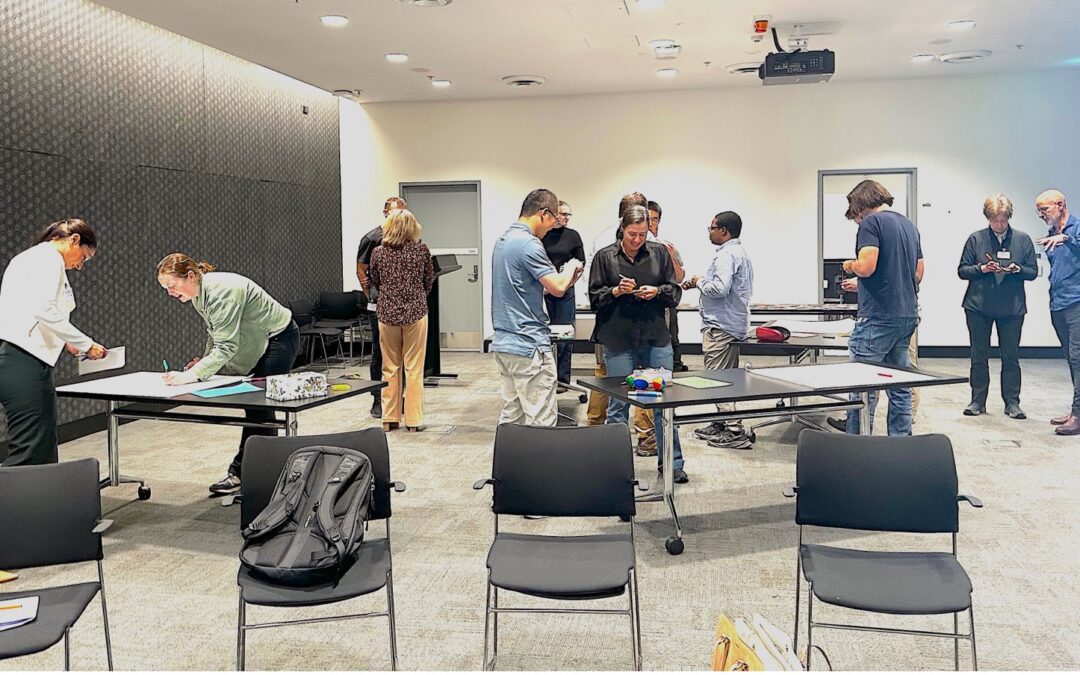
Recently, I worked with a newly formed team from CSIRO preparing to embark on a significant, long-term project. The team leader made an important decision.
They brought the group together for a pre-inception team development workshop. Rather than diving straight into project plans, timelines, and deliverables, they invested dedicated time into helping the group connect and become a team.
Over two days, people explored their backgrounds, motivations, experiences, and strengths.
They spent quality time getting to know one another and developing a shared understanding of how they wanted to work together.
Alongside this, they began exploring the project itself without becoming bogged down in the technical details. They stepped back to see the bigger picture. They mapped out what they knew, what was still to be discovered, where challenges might emerge, and where opportunities lay.
The experience combined structure with space for things to emerge. It was interactive, reflective, and experiential.
While the project was the reason they had come together, the real work was creating the conditions for connection, learning, thinking, and working well together.
These skills and capabilities were being practised in real time.
Not in isolation, but through shared experience.
A question for you to consider:
Beyond the surface-level perks or standard routines in your workplace, what helps your team feel connected and able to do meaningful work?
Connection and Meaningful Work
As AI becomes increasingly embedded in our daily workflows, conversations about the future of work are everywhere.
Much of that discussion centres on the skills people and organisations need: critical thinking, decision-making, communication, creativity and a range of other deeply human capabilities.
An article in the Australian Financial Review BOSS Best Places to Work publication caught my attention. The headline read: “Forget the in-house barista. This is what staff want.”
Beneath the discussion about skills, the research highlighted a fundamental need. People are not looking for perks or surface-level solutions.
They want connection and meaningful work. They want the opportunity to apply their strengths and develop capabilities that help them think, collaborate, and create well in situations that are rarely straightforward.
I see this regularly in my work with leaders and teams.
Behind the noise about the future of work sits a deeper challenge: understanding the capabilities that help people thrive in uncertainty, friction, and change.
What Skills Do We Need?
The World Economic Forum’s Future of Jobs Report points to a specific collection of skills needed to shape how we lead, adapt, and make sense of change:
- Critical thinking & creative thinking
- Curiosity & lifelong learning
- Resilience, motivation, & empathy
- Systems thinking & social influence
Often referred to as “soft skills”, it’s a phrase I’ve always found odd, given they are anything but soft in practice.
While these are deeply human capabilities, they can be difficult to develop and equally difficult to apply, particularly during conflict, uncertainty and change.
These capabilities do not develop in isolation, nor do they develop through linear approaches.
They develop alongside others, right in the middle of the messiness of daily workplace interactions.
Fusion Skills and Artful Inquiry
Educational futurist Professor Anne Bamford describes Fusion Skills as the competencies, characteristics, and tools people need to flourish in rapidly changing environments.
Fusion Skills brings together different disciplines, perspectives, and technologies to support creativity, adaptability, and innovation.
Bamford suggests we need to become “fusionistas” – people who continually develop and renew capabilities such as problem solving, initiative, communication, collaboration, analysis, and judgement.
Rather than focusing on an isolated capability, Fusion Skills recognises the value that emerges when people combine different ways of knowing, thinking, and working.
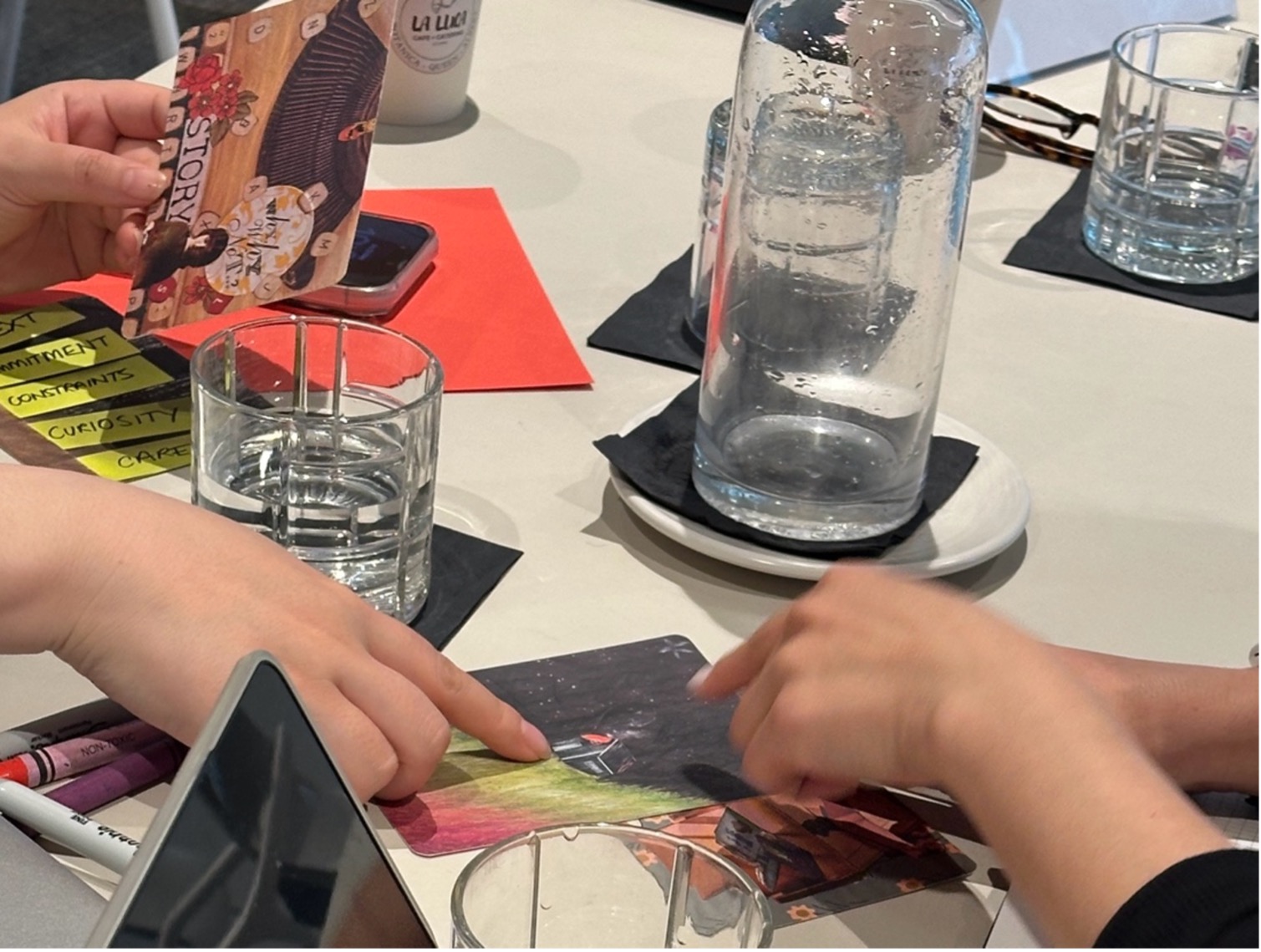
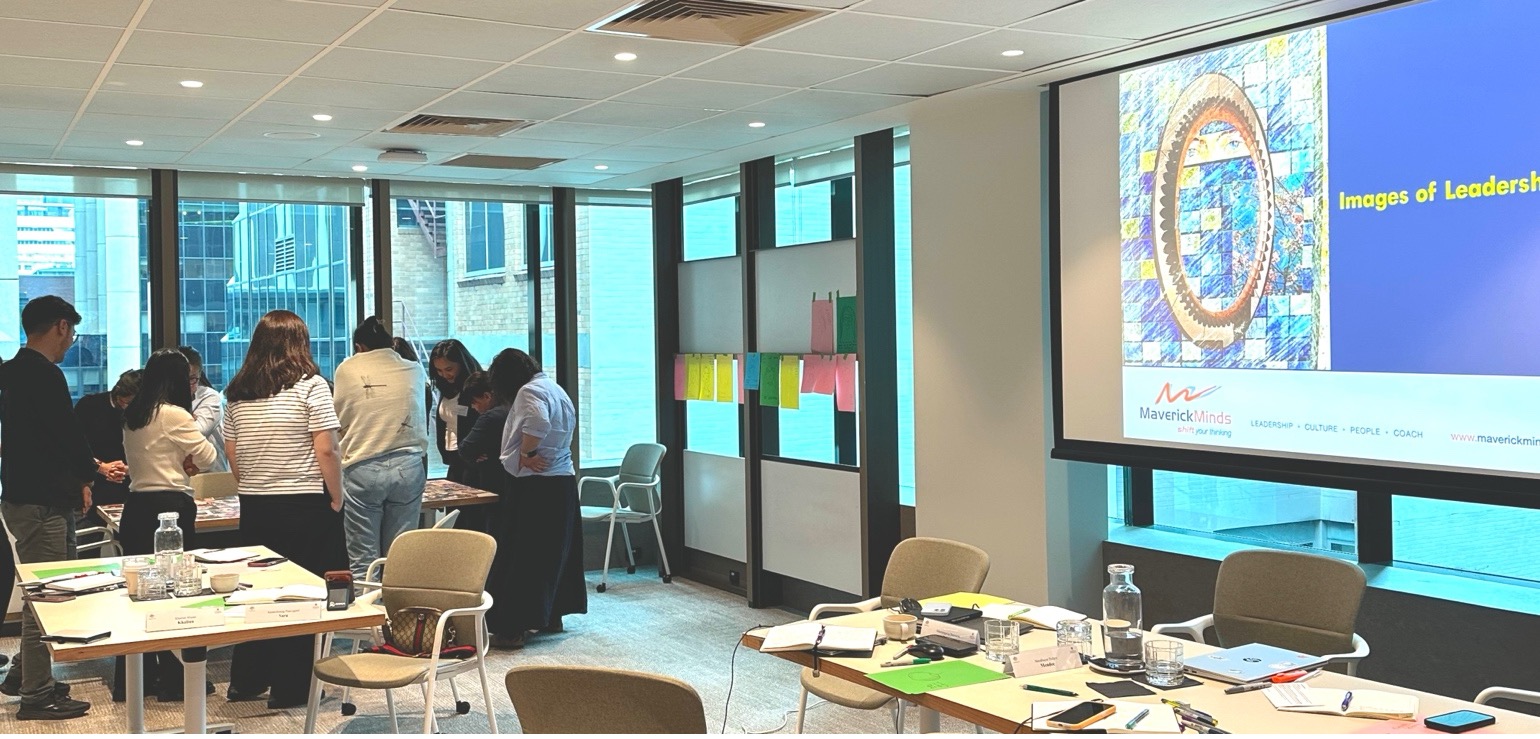
This idea connects closely with my research and practice in Artful Inquiry, an arts-based facilitation approach for individual and organisational learning and development.
It combines creative, reflective, and experiential processes that help people explore challenges, make meaning, and learn together by leveraging:
- Images and stories
- Metaphor and dialogue
- Visual thinking, reflection, and shared experience
Through creative tools, I help people see familiar situations differently and work with the unfamiliar. Given opportunities to notice patterns, explore multiple perspectives, challenge assumptions, and make sense of situations that lack neat answers, these ‘future skills’ are developed. Not by talking about them, but by experiencing them.